

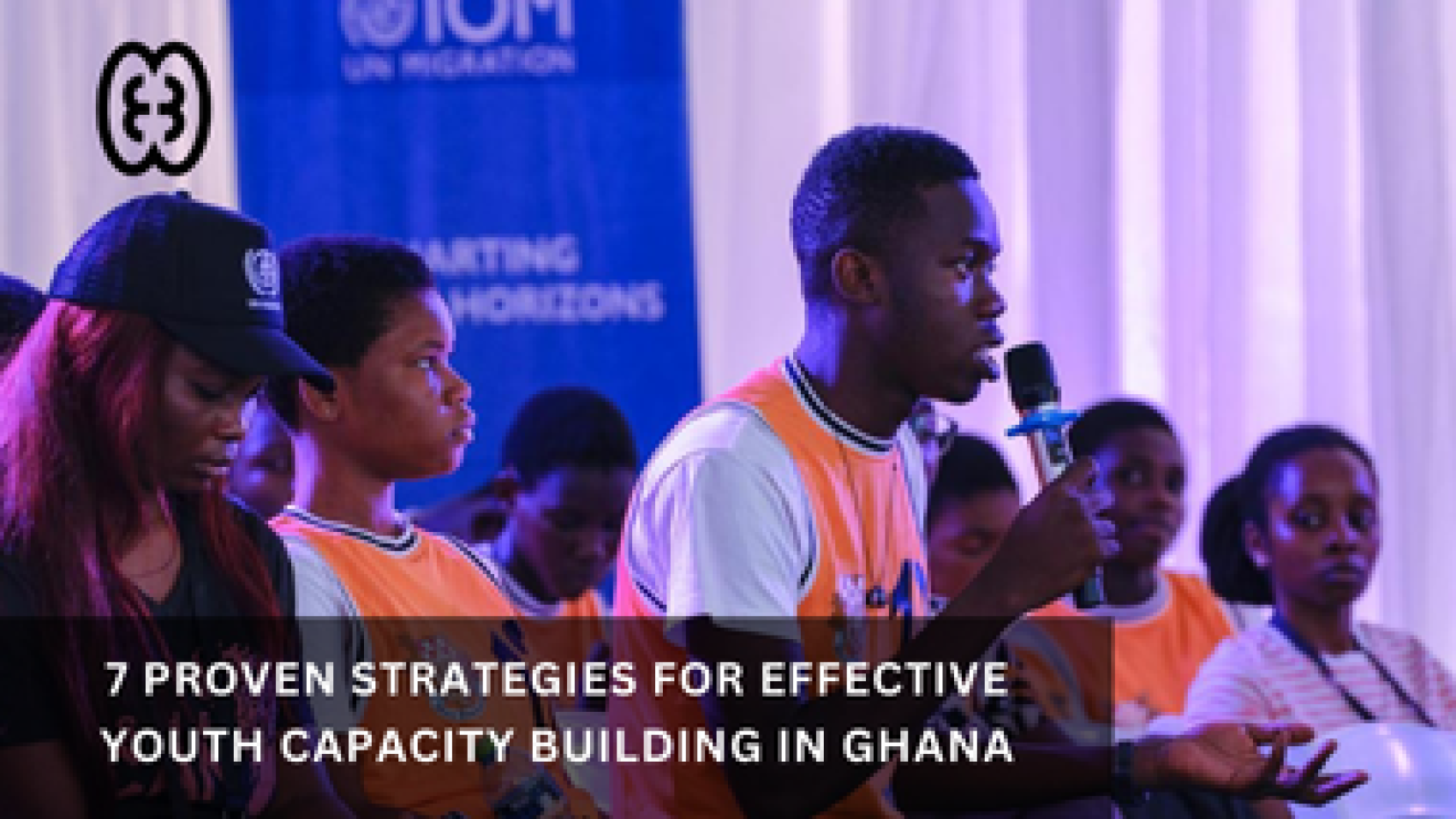
Youth are the backbone of any nation, and Ghana is no exception. But how do we ensure that young people are not just present, but empowered, skilled, and ready to lead?
The answer lies in youth capacity building in Ghana, a process that equips young individuals with the knowledge, skills, and confidence to thrive in a rapidly changing world.
Imagine communities where every young person can access education, leadership training, entrepreneurial opportunities, and mentorship.
This isn’t just a dream; it’s happening through strategic interventions designed to unlock potential and drive national growth.
In this post, we’ll explore 7 proven strategies for effective youth capacity building in Ghana. Each strategy reveals practical steps, success stories, and actionable insights that can inspire real change.
Keep reading to discover how Ghanaian youth are being transformed into future leaders.
1. Skills Development and Vocational Training

One of the most effective ways of youth capacity building in Ghana is providing vocational and technical training.
Skills development programs equip youth with practical knowledge in areas such as:
- ICT and digital skills
- Agriculture and agribusiness
- Trades like carpentry, plumbing, and tailoring
- Entrepreneurship and business management
By focusing on real-world skills, young Ghanaians become employable, self-reliant, and ready to contribute to local and national economies.
2. Mentorship and Leadership Programs
Guiding the Next Generation of Leaders
Mentorship programs connect youth with experienced professionals who provide guidance, advice, and inspiration.
Leadership training workshops teach critical thinking, decision-making, and communication skills, essential tools for creating responsible and visionary leaders.
When youth have mentors, they are more confident to take risks, innovate, and lead their communities toward growth.
3. Entrepreneurship and Business Support

Entrepreneurship programs form a core part of youth capacity building in Ghana and also empower communities.
These initiatives provide:
- Start-up training
- Access to seed funding
- Business incubators and accelerators
- Networking opportunities
By supporting young entrepreneurs, these programs not only generate jobs but also drive innovation and local economic development.
4. Access to Quality Education
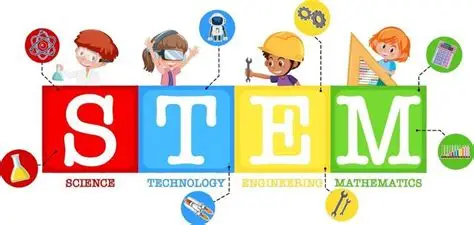
Education remains the foundation of effective youth capacity building. Programs that improve access to scholarships, digital learning tools, and STEM education empower youth to compete globally.
Quality education equips young Ghanaians with critical analytical skills and problem-solving abilities that are crucial for personal and national progress.
5. Civic Engagement and Community Participation
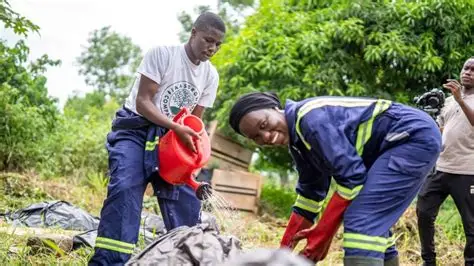
Creating Active Citizens
Encouraging youth to participate in civic activities fosters a sense of responsibility and community ownership. Programs that involve youth in local governance, volunteer initiatives, and advocacy campaigns develop leadership, teamwork, and social accountability.
Active engagement ensures that young people are not just beneficiaries of development, they become drivers of change.
6. Technology and Digital Literacy
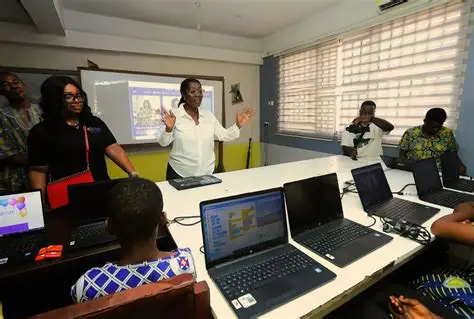
In today’s world, digital skills are non-negotiable. Capacity-building initiatives focusing on ICT, coding, social media management, and online business platforms prepare youth to thrive in the 21st-century economy.
Technology-driven programs also enhance creativity, problem-solving, and global competitiveness.
7. Health, Wellness, and Life Skills Programs

Nurturing the Whole Individual
Youth development isn’t only about skills, it’s about overall well-being. Programs that focus on mental health, sexual and reproductive health education, financial literacy, and soft skills ensure that young people are balanced, informed, and capable of making smart life decisions.
By addressing holistic development, Ghanaian youth are better prepared to handle challenges and seize opportunities.
Conclusion
Effective youth capacity building in Ghana is a multi-faceted process that blends skills development, mentorship, entrepreneurship, education, civic engagement, technology, and wellness programs.
When these strategies are implemented cohesively, they transform young people into empowered, capable, and visionary leaders.
Investing in youth today means shaping Ghana’s tomorrow. The success stories are already emerging, and the potential is limitless.
Are you ready to support youth initiatives or implement these strategies in your community? The future is waiting, and it starts with building the capacity of Ghana’s youth today.