
youth capacity building in Ghana

7 Proven Strategies for Effective Youth Capacity Building in Ghana

Youth are the backbone of any nation, and Ghana is no exception. But how do we ensure that young people are not just present, but empowered, skilled, and ready to lead?

The answer lies in youth capacity building in Ghana, a process that equips young individuals with the knowledge, skills, and confidence to thrive in a rapidly changing world.

Imagine communities where every young person can access education, leadership training, entrepreneurial opportunities, and mentorship.

This isn’t just a dream; it’s happening through strategic interventions designed to unlock potential and drive national growth.

In this post, we’ll explore 7 proven strategies for effective youth capacity building in Ghana. Each strategy reveals practical steps, success stories, and actionable insights that can inspire real change.

Keep reading to discover how Ghanaian youth are being transformed into future leaders.

1. Skills Development and Vocational Training

youth capacity building in Ghana

One of the most effective ways of youth capacity building in Ghana is providing vocational and technical training.
Skills development programs equip youth with practical knowledge in areas such as:

  • ICT and digital skills
  • Agriculture and agribusiness
  • Trades like carpentry, plumbing, and tailoring
  • Entrepreneurship and business management

By focusing on real-world skills, young Ghanaians become employable, self-reliant, and ready to contribute to local and national economies.

2. Mentorship and Leadership Programs

Guiding the Next Generation of Leaders

Mentorship programs connect youth with experienced professionals who provide guidance, advice, and inspiration.

Leadership training workshops teach critical thinking, decision-making, and communication skills, essential tools for creating responsible and visionary leaders.

When youth have mentors, they are more confident to take risks, innovate, and lead their communities toward growth.

3. Entrepreneurship and Business Support

youth capacity building in Ghana

Entrepreneurship programs form a core part of youth capacity building in Ghana and also empower communities.
These initiatives provide:

  • Start-up training
  • Access to seed funding
  • Business incubators and accelerators
  • Networking opportunities

By supporting young entrepreneurs, these programs not only generate jobs but also drive innovation and local economic development.

4. Access to Quality Education
youth capacity building in Ghana

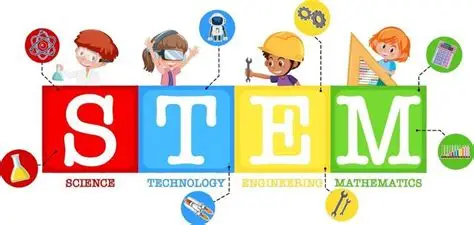
Education remains the foundation of effective youth capacity building. Programs that improve access to scholarships, digital learning tools, and STEM education empower youth to compete globally.

Quality education equips young Ghanaians with critical analytical skills and problem-solving abilities that are crucial for personal and national progress.

5. Civic Engagement and Community Participation
youth capacity building in Ghana

Creating Active Citizens

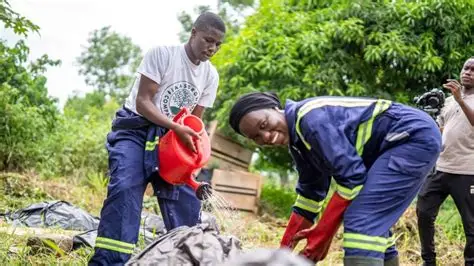
Encouraging youth to participate in civic activities fosters a sense of responsibility and community ownership. Programs that involve youth in local governance, volunteer initiatives, and advocacy campaigns develop leadership, teamwork, and social accountability.

Active engagement ensures that young people are not just beneficiaries of development, they become drivers of change.

6. Technology and Digital Literacy
youth capacity building in Ghana

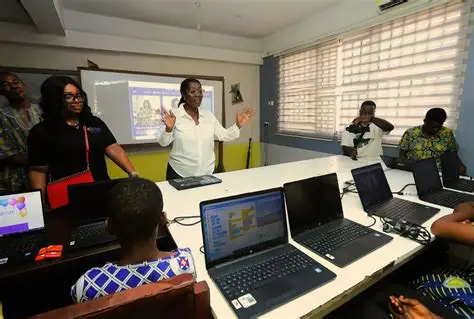
In today’s world, digital skills are non-negotiable. Capacity-building initiatives focusing on ICT, coding, social media management, and online business platforms prepare youth to thrive in the 21st-century economy.

Technology-driven programs also enhance creativity, problem-solving, and global competitiveness.

7. Health, Wellness, and Life Skills Programs

youth capacity building in Ghana

Nurturing the Whole Individual

Youth development isn’t only about skills, it’s about overall well-being. Programs that focus on mental health, sexual and reproductive health education, financial literacy, and soft skills ensure that young people are balanced, informed, and capable of making smart life decisions.

By addressing holistic development, Ghanaian youth are better prepared to handle challenges and seize opportunities.

Conclusion

Effective youth capacity building in Ghana is a multi-faceted process that blends skills development, mentorship, entrepreneurship, education, civic engagement, technology, and wellness programs.

When these strategies are implemented cohesively, they transform young people into empowered, capable, and visionary leaders.

Investing in youth today means shaping Ghana’s tomorrow. The success stories are already emerging, and the potential is limitless.

Are you ready to support youth initiatives or implement these strategies in your community? The future is waiting, and it starts with building the capacity of Ghana’s youth today.
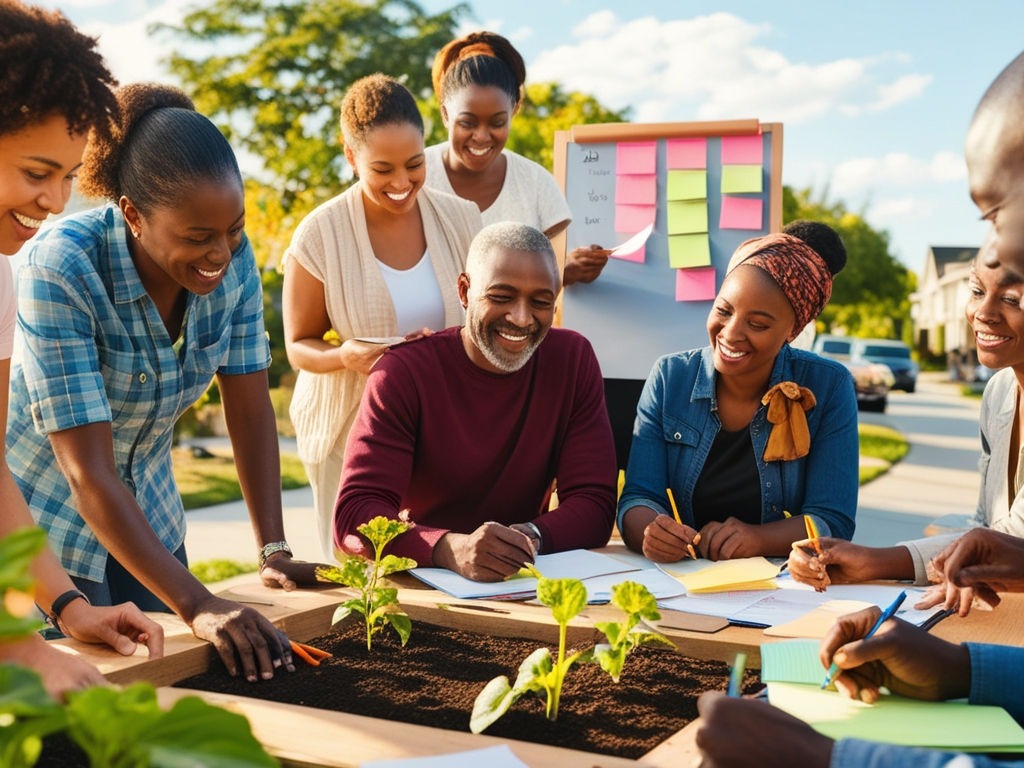
what is community empowerment

What Is Community Empowerment? A Complete Guide to Strengthening Local Communities

Community empowerment has become one of the most transformative forces in today’s world. But what is community empowerment, really?

At its heart, it’s about giving people the tools, knowledge, and confidence to actively shape the development of their own communities. It’s more than just involvement; it’s ownership, collaboration, and action.

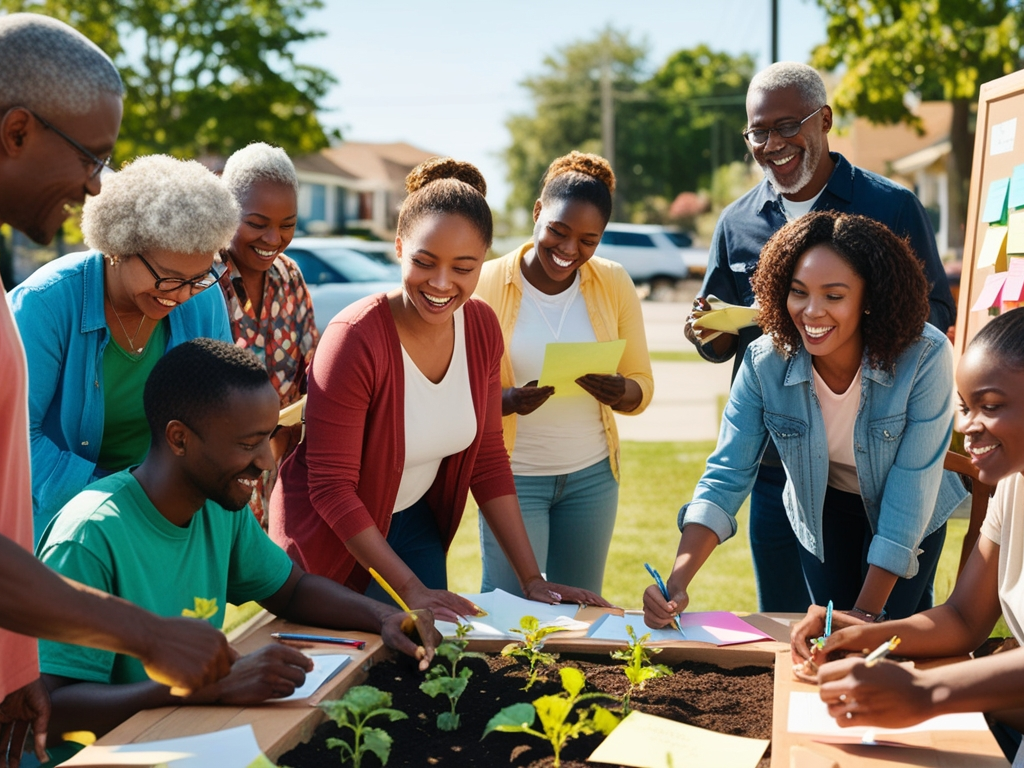
Picture a neighborhood where residents identify problems, create solutions, and support one another to thrive. This isn’t a distant dream, it’s the power of empowered communities.

Yet, understanding how to achieve this requires a closer look at the principles, strategies, and benefits behind community empowerment.

In this guide, we’ll break down what community empowerment is, why it matters, and how it can reshape local communities. By the end, you’ll see that strengthening communities isn’t just an idea—it’s a movement. Keep reading to uncover practical ways to turn empowerment into real-world impact…

What Is Community Empowerment?

What Is Community Empowerment

At its core, community empowerment is the process of enabling individuals and groups to take control of their lives and decisions that affect their community. It involves:

  • Building skills and knowledge to address local challenges
  • Encouraging active participation in decision-making
  • Creating opportunities for leadership and collaboration
  • Promoting equity and inclusion so every voice is heard

Simply put, an empowered community is one where people feel capable, confident, and responsible for shaping their collective future. It is about turning passive residents into active change-makers.

The Key Principles of Community Empowerment

Understanding what community empowerment is also means recognizing the principles that guide it. These include:

Participation

True empowerment starts when community members are not just consulted but actively involved in planning and decision-making. Participation ensures solutions are relevant and sustainable.

Capacity Building

Empowering communities requires equipping them with the skills, knowledge, and resources needed to tackle challenges independently. This includes training, mentorship, and access to information.

Inclusivity and Equity

An empowered community leaves no one behind. It values the perspectives of women, youth, marginalized groups, and minorities, ensuring everyone can contribute meaningfully.

Collaboration and Networking

Communities thrive when they work together, share resources, and connect with external organizations, government agencies, or NGOs to strengthen their initiatives.

Why Community Empowerment Matters

What Is Community Empowerment

The impact of community empowerment is profound. Here’s why it should be a priority for local development:

  • Improved Decision-Making: When residents are involved, policies and initiatives reflect the actual needs of the community.
  • Sustainable Development: Empowered communities are more likely to maintain and improve programs over time.
  • Increased Confidence and Ownership: People feel proud and responsible for their contributions.
  • Resilience: Communities can better adapt to challenges like natural disasters, economic changes, or health crises.

Without empowerment, development projects often fail because they don’t align with the real needs and priorities of the people they intend to serve.

How Community Empowerment Works in Practice

So, how does community empowerment actually happen? Here are some practical strategies:

Education and Training Programs

Providing workshops, literacy programs, vocational training, and awareness campaigns equips residents with essential knowledge and skills.

Leadership Development

Mentoring local leaders and creating opportunities for leadership ensures that change is driven from within the community, not imposed externally.

Participatory Decision-Making

Community meetings, focus groups, and local councils give people a voice in shaping policies and projects.

Resource Mobilization

Communities can access funding, tools, and support by forming cooperatives, partnerships, or advocacy groups to implement solutions.

Examples of Community Empowerment in Action

what is community empowerment

Across the world, communities are harnessing empowerment to create real change:

  • In Kenya, local women’s groups have taken charge of water projects, reducing scarcity and improving sanitation.
  • In Ghana, youth-led initiatives have launched community recycling programs, creating jobs and environmental awareness.
  • In India, residents collaborate with local governments to improve public health services through participatory planning.

These examples show that when communities are given the power to act, innovation and progress follow naturally.

Challenges to Community Empowerment

While the benefits are clear, community empowerment is not without obstacles:

  • Limited Resources: Funding, materials, and expertise may be scarce.
  • Resistance to Change: Some leaders or groups may resist shared decision-making.
  • Inequality: Social, gender, or economic disparities can hinder participation.
  • Lack of Awareness: Communities may not know their rights or how to take action.

Recognizing these challenges allows stakeholders to design solutions that ensure empowerment is inclusive and sustainable.

Conclusion

So, what is community empowerment? It is the process of giving communities the tools, confidence, and opportunities to shape their own future.

From participation and capacity building to inclusivity and collaboration, empowered communities are stronger, more resilient, and better equipped to face challenges.

When done right, community empowerment transforms neighborhoods into hubs of innovation, leadership, and collective growth. Whether it’s through education, local leadership, or collaborative projects, the impact is tangible, lasting, and inspiring.

Are you ready to be part of the movement that strengthens your community from within? Empowerment starts with knowledge, and now that you understand what community empowerment is, the next step is taking action.

Scholarship for JHS Girls in rural areas

SheRises Scholarship 

Together We Rise, Together She Leads. Apply for the SheRises Scholarship by Konson Aid to support underprivileged JHS girls in Bodi Akontomra, Western North Region. Mentorship, life skills, and climate awareness included.

About the Scholarship

The SheRises Scholarship by Konson Aid is a comprehensive program supporting underprivileged JHS girls in Bodi Akontomra. By providing financial aid, mentorship, life skills training, and climate awareness programs, this initiative helps girls stay in school, improve academic performance, and develop leadership skills for the future.

Keywords: SheRises Scholarship, rural girls empowerment Ghana, Junior High School scholarships.

Why This Scholarship Matters

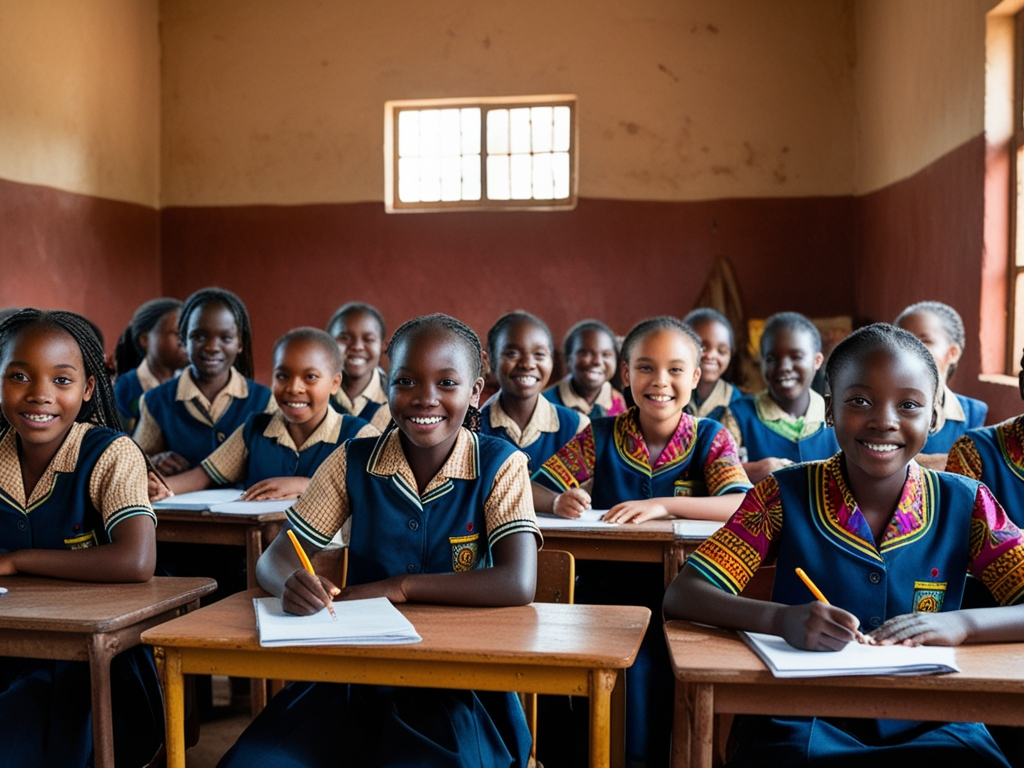
Scholarship for JHS Girls

Many girls in rural Ghana drop out before completing Junior High School due to:

  • Hidden school costs (books, uniforms, exam fees)
  • Menstrual hygiene challenges
  • Early marriage and teen pregnancy risks
  • Cultural expectations and limited role models
  • Climate vulnerability affecting family livelihoods

The SheRises Scholarship directly addresses these challenges, ensuring girls remain in school, succeed in BECE exams, and gain confidence to transition to Senior High School.

Who Can Apply

Eligibility Criteria:

  • Female student currently enrolled in JHS 1–3
  • Resident of Bodi Akontomra, Western North Region
  • From a low-income rural household
  • Ranked in the top 10 of her class
Scholarship for JHS Girls in Rural Areas

Required Documents:

  • Completed application form
  • Short essay: “How climate change affects my community and what can be done” (max 1,000 words)
  • Letter of reference from Headteacher or Class Teacher
  • Parent/guardian endorsement
  • Recent school report

Scholarship Benefits

The SheRises Scholarship provides:

  • Tuition, exam fees, and school levies
  • Uniforms, books, and stationery
  • Menstrual hygiene kits
  • Feeding or transportation support where needed
  • Mentorship and life skills training
  • Participation in eco-clubs and climate awareness programs

Selection Process

Applicants are selected through a rigorous, merit-based process:

  1. Academic performance review
  2. Climate-themed essay evaluation
  3. Teacher and parent endorsements
  4. Verification of financial need

Program Components

Scholarships: Full coverage of school levies, books, uniforms, hygiene kits, and transport support.

Essay-Based Selection: Applicants submit a short essay on climate change impacts in their community.

Mentorship & Life Skills: Scholars are paired with mentors, participate in confidence-building, leadership, and career guidance sessions.

Monitoring & Support: Academic performance tracked quarterly with mentor check-ins and community feedback.

Networking & Role Modelling: Scholars attend events connecting them to female leaders, professionals, and alumni.

Timeline

Phase Period Activity
Stakeholder Engagement Jan – Mar Awareness campaigns and school outreach
Applications Open Apr – May Submission of forms and essays
Review & Selection Jun Shortlisting and evaluation
Award & Disbursement Jul Announce winners, distribute scholarships
Mentorship & Support Sept onwards Life skills training, eco-clubs, mentorship
Monitoring & Evaluation Ongoing Academic tracking and community feedback

Impact & Expected Outcomes

Year 1:

  • 15 girls supported in Bodi Akontomra
  • ≥90% retention rate and improved academic performance
  • Mentorship relationships established
  • Climate-themed activities and awareness sessions
  • Greater community support for girls’ education

Long-Term:

  • Increased female educational attainment
  • Reduced dropout rates
  • More girls transitioning to SHS and tertiary education
  • Grassroots climate awareness growth

SheRises Sisterhood – Alumni & Mentorship

The SheRises Sisterhood (SRS) Network connects alumni and current scholars:

  • Peer mentorship pairing
  • Quarterly “Legacy Talks” sharing alumni journeys
  • Annual “Pay it Forward” initiatives
  • Career & Leadership Lab sessions

Alumni also act as mentors, role models, and community mobilizers, ensuring continuity of support and empowerment.

How to Apply

  1. Complete the application form
  2. Submit your climate essay
  3. Attach school report and teacher/parent endorsements

Scholarship is completely free. All applications are reviewed before the academic year begins, so winners start Term 1 as beneficiaries.

Apply Now!

Support the Program

You can help rural girls access education through:

  • Sponsoring individual scholars or eco-clubs
  • Monthly giving campaigns
  • Named scholarships for legacy support
  • Community fundraising initiatives

Become a Sponsor

Frequently Asked Questions (FAQ)

For Students:

  • Who can apply? JHS 1–3 girls in Bodi Akontomra.
  • What does it cover? Tuition, exams, uniforms, hygiene kits, mentorship, and eco-clubs.

For Parents/Guardians:

  • Any cost to apply? No, it is free.
  • Is my daughter safe? Yes, all activities follow child protection protocols.

For Teachers/Schools:

  • Role of teachers? Endorse students, provide termly updates, support club participation.

For Donors & Partners:

  • Funding source? Currently self-funded by Konson Aid; donor partnerships are ongoing.
  • Can I sponsor a girl? Yes, named sponsorship and donor collaborations are welcome.

Contact Us

  • Email: info@konsonaid.org
  • Social: Facebook | Instagram | LinkedIn