





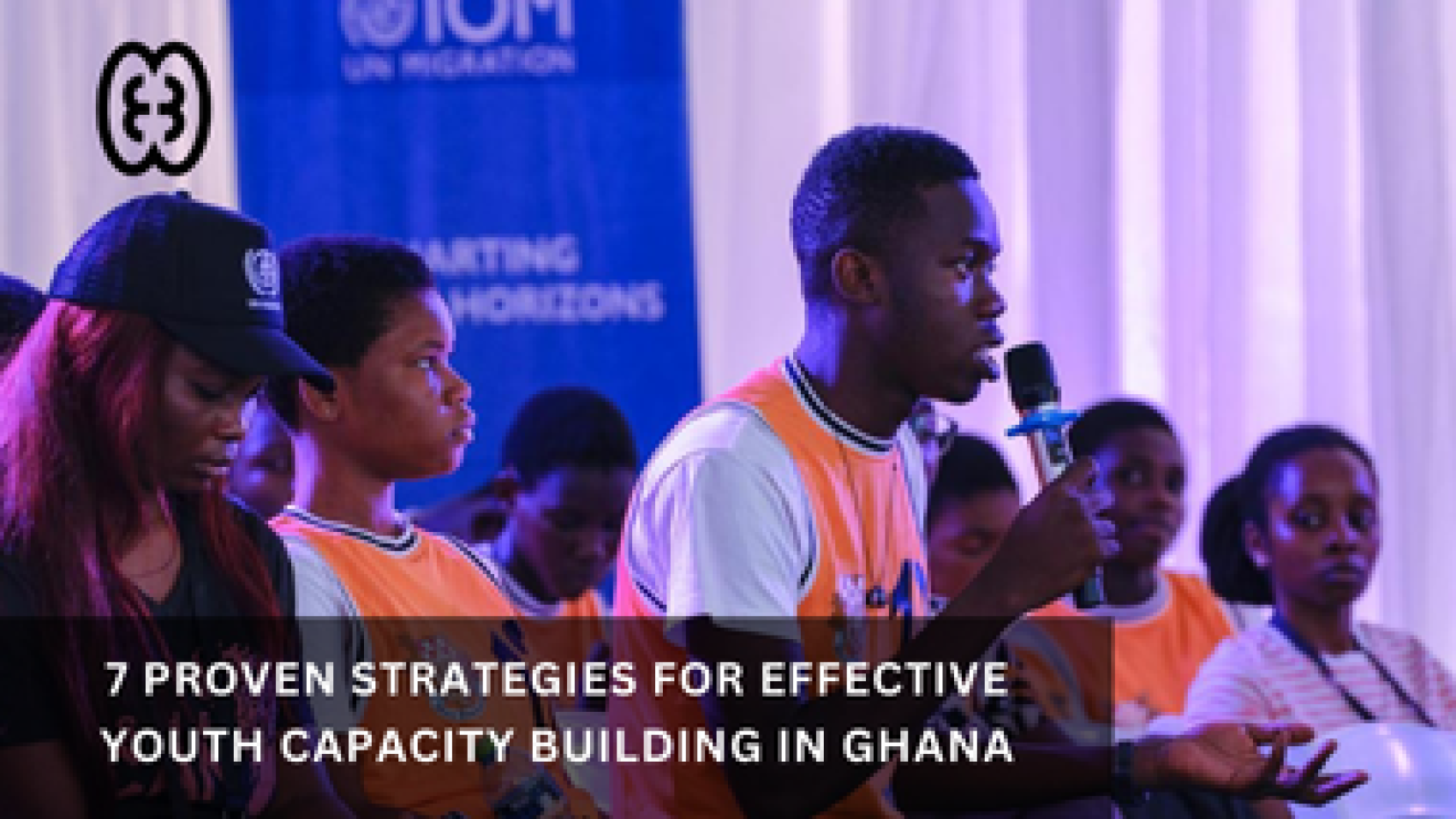
youth capacity building in Ghana

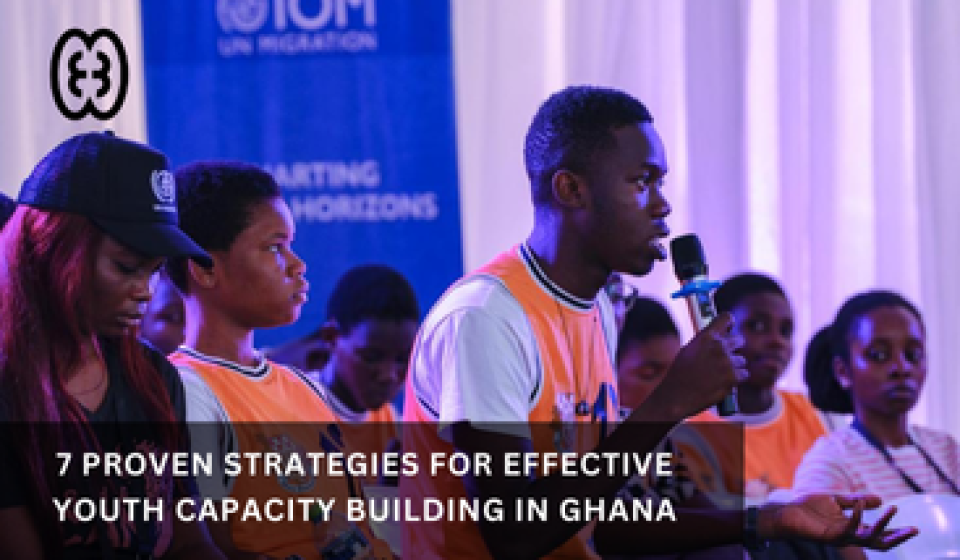
7 Proven Strategies for Effective Youth Capacity Building in Ghana

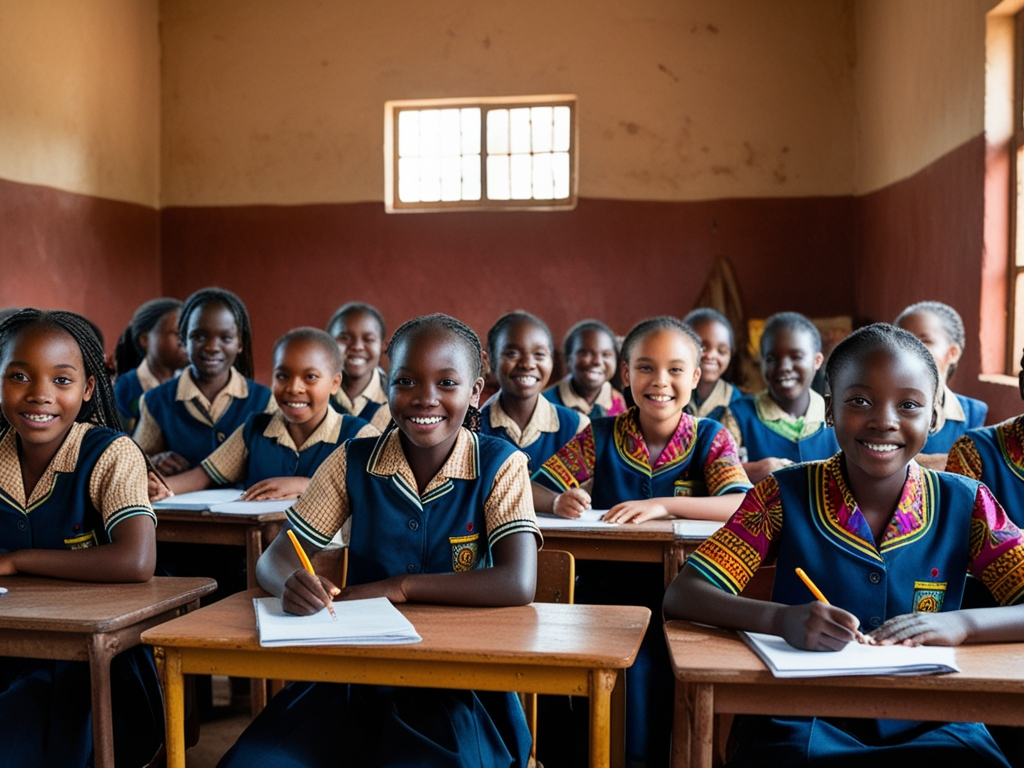
Youth are the backbone of any nation, and Ghana is no exception. But how do we ensure that young people are not just present, but empowered, skilled, and ready to lead?

The answer lies in youth capacity building in Ghana, a process that equips young individuals with the knowledge, skills, and confidence to thrive in a rapidly changing world.

Imagine communities where every young person can access education, leadership training, entrepreneurial opportunities, and mentorship.

This isn’t just a dream; it’s happening through strategic interventions designed to unlock potential and drive national growth.

In this post, we’ll explore 7 proven strategies for effective youth capacity building in Ghana. Each strategy reveals practical steps, success stories, and actionable insights that can inspire real change.

Keep reading to discover how Ghanaian youth are being transformed into future leaders.

1. Skills Development and Vocational Training

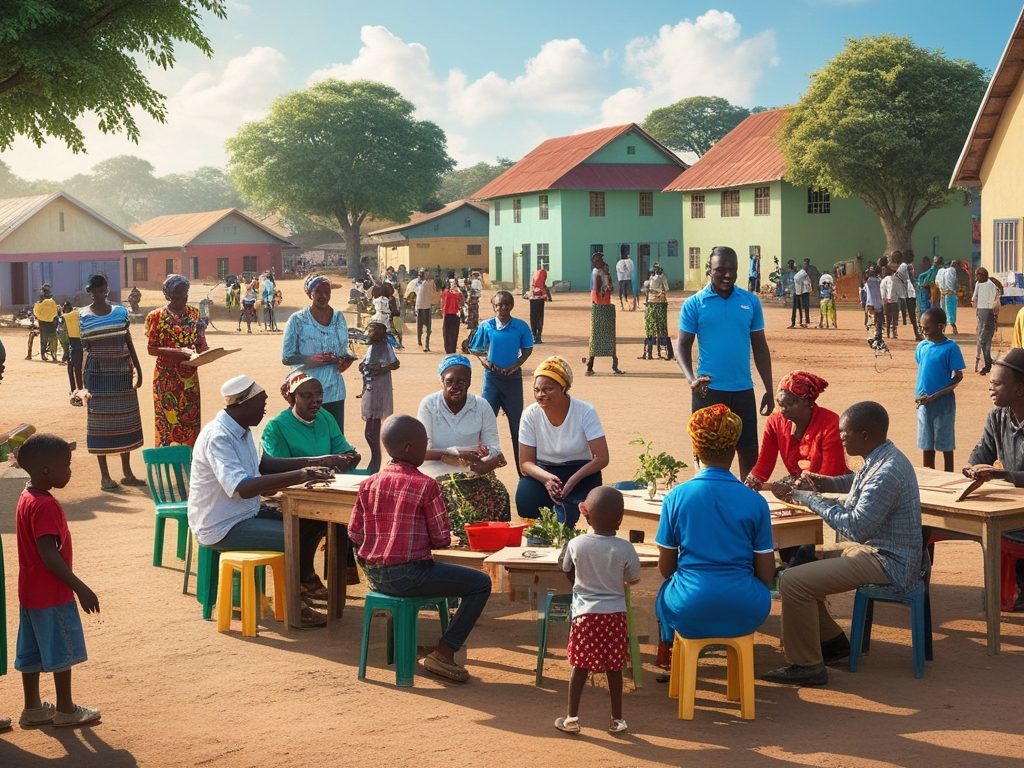
youth capacity building in Ghana

One of the most effective ways of youth capacity building in Ghana is providing vocational and technical training.
Skills development programs equip youth with practical knowledge in areas such as:

  • ICT and digital skills
  • Agriculture and agribusiness
  • Trades like carpentry, plumbing, and tailoring
  • Entrepreneurship and business management

By focusing on real-world skills, young Ghanaians become employable, self-reliant, and ready to contribute to local and national economies.

2. Mentorship and Leadership Programs

Guiding the Next Generation of Leaders

Mentorship programs connect youth with experienced professionals who provide guidance, advice, and inspiration.

Leadership training workshops teach critical thinking, decision-making, and communication skills, essential tools for creating responsible and visionary leaders.

When youth have mentors, they are more confident to take risks, innovate, and lead their communities toward growth.

3. Entrepreneurship and Business Support

youth capacity building in Ghana

Entrepreneurship programs form a core part of youth capacity building in Ghana and also empower communities.
These initiatives provide:

  • Start-up training
  • Access to seed funding
  • Business incubators and accelerators
  • Networking opportunities

By supporting young entrepreneurs, these programs not only generate jobs but also drive innovation and local economic development.

4. Access to Quality Education
youth capacity building in Ghana

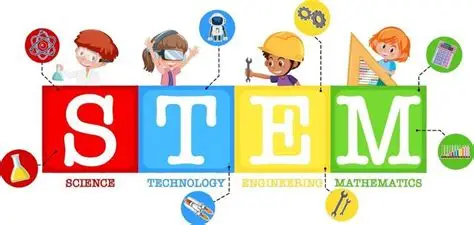
Education remains the foundation of effective youth capacity building. Programs that improve access to scholarships, digital learning tools, and STEM education empower youth to compete globally.

Quality education equips young Ghanaians with critical analytical skills and problem-solving abilities that are crucial for personal and national progress.

5. Civic Engagement and Community Participation
youth capacity building in Ghana

Creating Active Citizens

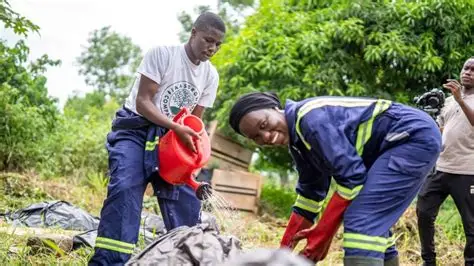
Encouraging youth to participate in civic activities fosters a sense of responsibility and community ownership. Programs that involve youth in local governance, volunteer initiatives, and advocacy campaigns develop leadership, teamwork, and social accountability.

Active engagement ensures that young people are not just beneficiaries of development, they become drivers of change.

6. Technology and Digital Literacy
youth capacity building in Ghana

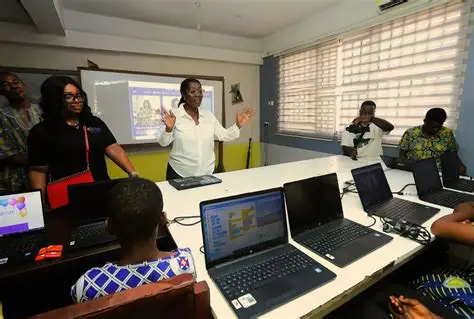
In today’s world, digital skills are non-negotiable. Capacity-building initiatives focusing on ICT, coding, social media management, and online business platforms prepare youth to thrive in the 21st-century economy.

Technology-driven programs also enhance creativity, problem-solving, and global competitiveness.

7. Health, Wellness, and Life Skills Programs

youth capacity building in Ghana

Nurturing the Whole Individual

Youth development isn’t only about skills, it’s about overall well-being. Programs that focus on mental health, sexual and reproductive health education, financial literacy, and soft skills ensure that young people are balanced, informed, and capable of making smart life decisions.

By addressing holistic development, Ghanaian youth are better prepared to handle challenges and seize opportunities.

Conclusion

Effective youth capacity building in Ghana is a multi-faceted process that blends skills development, mentorship, entrepreneurship, education, civic engagement, technology, and wellness programs.

When these strategies are implemented cohesively, they transform young people into empowered, capable, and visionary leaders.

Investing in youth today means shaping Ghana’s tomorrow. The success stories are already emerging, and the potential is limitless.

Are you ready to support youth initiatives or implement these strategies in your community? The future is waiting, and it starts with building the capacity of Ghana’s youth today.

how advocacy creates social change

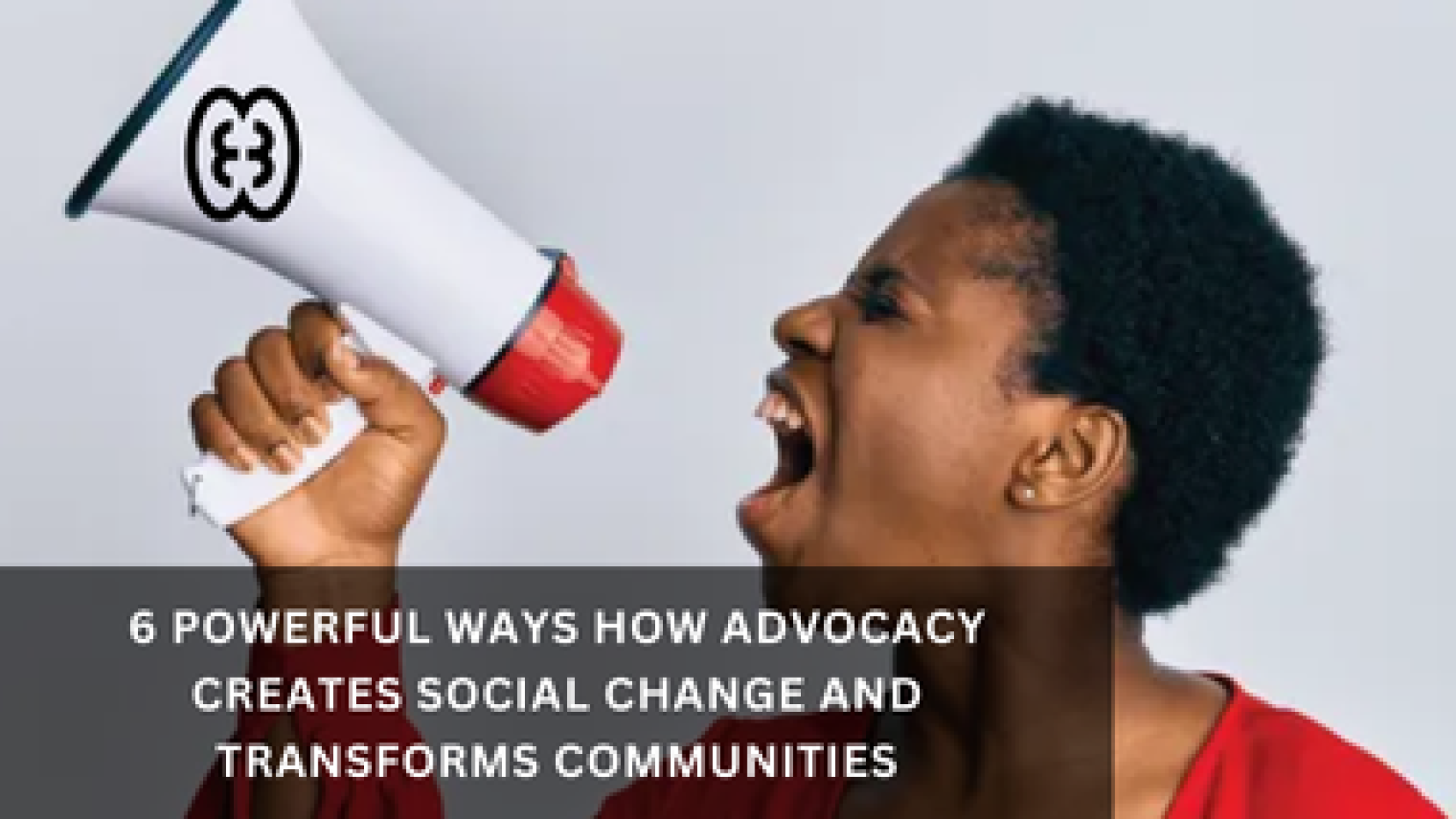
6 Powerful Ways How Advocacy Creates Social Change and Transforms Communities

Change doesn’t happen by accident, it happens because people decide to speak up, take action, and push society forward. That’s the power of advocacy.

But how advocacy creates social change is more than just raising awareness; it is a force that reshapes systems, influences decisions, and empowers communities to challenge what no longer serves them.

Across the world, from grassroots movements to national campaigns, advocacy has been the engine behind major transformations.

It shifts mindsets. It sparks conversations. It influences institutions. And once it begins, it often spreads faster than anyone expects.

If you’ve ever wondered how advocacy truly creates social change, the answer lies in the strategies, voices, and collective actions that turn a simple idea into a movement.

Each of the methods below reveals a different part of this powerful process, keep reading to discover how it all works.

1. Advocacy Raises Awareness and Changes Public Perception

how advocacy creates social change

Turning Silence into Conversations

The first step in social change is awareness. Advocacy brings hidden issues into public view—issues that were ignored, misunderstood, or stigmatized.

Through campaigns, storytelling, and public education, advocacy helps people see a problem clearly… and once they see it, they can no longer unsee it.

Raising awareness shifts perceptions, challenges stereotypes, and opens the door for broader social action.

2. Advocacy Influences Policies and Legal Reforms

how advocacy creates social change

From Voices to Laws

One of the strongest ways how advocacy creates social change is through policy influence.
Advocates engage lawmakers, gather public support, and present evidence to push for:

  • New laws
  • Improved policies
  • Better enforcement
  • Pro-people reforms
  • Accountability

When advocacy leads to policy change, the impact becomes long-term and structural, not temporary.

3. Advocacy Empowers Communities to Speak Up

how advocacy creates social change

Giving Power Back to the People

Advocacy teaches people that their voices matter. It trains communities on their rights, builds confidence, and encourages civic participation.

When people feel empowered, they:

  • Demand services
  • Question authorities
  • Defend their rights
  • Participate in decision-making
  • Hold leaders accountable

This empowerment is one of the most transformative aspects of advocacy, and it strengthens communities from within.

4. Advocacy Mobilizes Support and Builds Movements

how advocacy creates social change

Turning Individuals into a Collective Force

Every great movement begins with a few people.
But advocacy brings many voices together, creating unity around a shared cause.

Through petitions, rallies, social media campaigns, and community organizing, advocacy mobilizes large groups of people who push for change with one powerful, unified voice.
The strength of numbers accelerates social transformation.

5. Advocacy Creates Pressure on Institutions and Leaders

how advocacy creates social change

The Power of Accountability

Institutions rarely change on their own. They change because advocacy demands it.
When advocates highlight injustices, expose wrongdoing, or call out inequalities, they create pressure on:

  • Government agencies
  • Schools
  • Health systems
  • Corporations
  • Community leaders

This pressure forces institutions to review their practices, update systems, and adopt more ethical and inclusive approaches.

6. Advocacy Drives Behavioral and Cultural Change

how advocacy creates social change

Culture shifts slowly, but advocacy speeds it up. By challenging harmful norms, promoting positive attitudes, and educating society, advocacy encourages healthier, more inclusive behaviors.

This is where advocacy’s influence becomes deeply personal, it changes how people think, how they interact, and how they view others. And when people change, society changes.

Conclusion

how advocacy creates social change

Advocacy is not just about speaking; it is about transforming. By raising awareness, influencing policies, mobilizing people, empowering communities, and reshaping cultures, advocacy becomes one of the strongest tools for building a better world.

Understanding how advocacy creates social change reveals a powerful truth: meaningful change begins when ordinary people take action.

Their voices, their courage, and their persistence ignite the shifts that transform societies, one step at a time.

sustainable development organizations in Africa

How Sustainable Development Organizations in Africa Are Shaping a Better Future

Across Africa, a quiet but powerful transformation is underway. Communities that once struggled with challenges like poverty, climate change, unemployment, and inadequate infrastructure are now rewriting their stories.

How? Through the tireless work of sustainable development organizations in Africa, the forces driving long-term change one project, one partnership, and one empowered community at a time.

But their impact goes far beyond charity. These organizations are reshaping how Africa thinks, builds, innovates, and grows.

They’re creating solutions that don’t just solve problems temporarily, they strengthen communities for generations.

If you’ve ever wondered how real change happens on the ground, or what makes these organizations so effective, this guide takes you inside the movement.

And what you’ll discover next might just redefine how you see development entirely… keep reading.

What Are Sustainable Development Organizations in Africa?

sustainable development organizations in Africa

Sustainable development organizations in Africa are institutions, local or international, that focus on long-term solutions to social, economic, and environmental challenges.

Instead of offering quick fixes, they create strategies that empower people, protect resources, and support lasting progress.

These organizations often work in areas such as:

  • Poverty reduction
  • Education and skill development
  • Climate change adaptation
  • Community empowerment
  • Agriculture and food security
  • Water and sanitation
  • Healthcare access
  • Clean energy initiatives

What makes them unique is their commitment to development that continues even when they step back. They build systems that communities can rely on long after the projects end.

Why Sustainable Development Organizations Matter

sustainable development organizations in Africa

They Strengthen Community Resilience

By providing training, tools, and resources, these organizations help communities stand strong during economic, social, or environmental shocks. Instead of dependence, they build resilience.

They Promote Innovation and Local Solutions

From solar energy hubs in rural villages to tech-based agricultural systems, sustainable development initiatives encourage innovation tailored to Africa’s needs.

They Protect the Environment

Many organizations champion climate-smart farming, reforestation, waste management, and biodiversity conservation—essential steps to safeguarding Africa’s future.

They Drive Economic Growth

Through entrepreneurship programs, vocational training, and youth empowerment, they create jobs and stimulate local economies.

They Create Opportunities for Future Generations

Long-term development ensures that children and youth grow up in societies with better health, education, and livelihood opportunities.

Key Areas Where Sustainable Development Organizations in Africa Are Making an Impact

sustainable development organizations in Africa

1. Climate Action and Environmental Protection

Climate change hits Africa harder than most regions. Organisations like the African Wildlife Foundation and local climate action groups are restoring forests, protecting water bodies, and promoting clean energy.

And the results are remarkable, healthier ecosystems, reduced emissions, and sustainable livelihoods.

2. Agriculture and Food Security

With agriculture employing millions, organizations are introducing:

  • Climate-smart farming
  • Irrigation solutions
  • Post-harvest technologies
  • Access to markets and financing

This helps farmers grow more food, earn more income, and feed their communities sustainably.

3. Education and Youth Empowerment

Organizations invest in:

  • STEM programs
  • Girls’ education
  • Digital skills
  • Leadership training

This builds a strong, future-ready generation that can lead Africa into a new era of development.

4. Health and Community Well-Being

From maternal healthcare to mental health support, sustainable development organizations work to reduce disease burden and improve access to essential services.

5. Clean Energy and Technology Innovation

Solar mini-grids, clean cookstoves, and renewable energy centers are lighting up villages and reducing reliance on fossil fuels.
Tech-driven solutions are creating digital opportunities that didn’t exist a decade ago.

Examples of Leading Sustainable Development Organizations in Africa

African Development Foundation (ADF)

African Development Foundation (ADF)

Funds grassroots enterprises and community projects that promote economic growth.

Green Africa Youth Organization (GAYO)

Green Africa Youth Organization (GAYO)

A youth-led organization focused on climate action, waste management, and circular economy solutions.

WaterAid Africa

WaterAid Africa

Improves access to clean water, sanitation, and hygiene, fundamental for sustainable development.

African Wildlife Foundation (AWF)

African Wildlife Foundation (AWF)

Protects wildlife and habitats while improving communities’ livelihoods.

Local Community NGOs

sustainable development organizations in Africa

Across every country, local NGOs are doing the hard work on the ground. They understand the culture, challenges, and opportunities better than anyone.

Each of these organizations plays a role in shaping Africa’s sustainable future—but this is only the beginning.

How Sustainable Development Organizations Build Long-Term Impact

sustainable development organizations in Africa

Community-Centered Approaches

Instead of imposing solutions, they involve communities in decision-making, ensuring solutions are effective and accepted.

Capacity Building

Training programs equip people with skills to run businesses, conserve the environment, and solve problems independently.

Partnerships and Collaboration

Governments, NGOs, companies, and community groups work together to achieve lasting change.

Evidence-Based Planning

Organizations use data, research, and monitoring systems to measure impact, and improve constantly.

The Future: What’s Next for Africa’s Sustainable Development?

sustainable development organizations in Africa

Africa’s future is filled with possibility. Technology is advancing. Young people are rising. Communities are becoming more aware and more resilient.

And as long as sustainable development organizations in Africa continue to innovate, collaborate, and empower, the continent’s transformation will accelerate, faster than the world expects.

What comes next?
1. Greener cities.
2. Smarter agriculture.
3. Stronger institutions.
4. Empowered communities.

The future looks bright, and the work happening today is building the foundation for tomorrow.

Conclusion

Sustainable development organizations in Africa are not just solving problems, they are shaping a stronger, greener, and more empowered future for the continent.

Their work touches every area of life: education, health, environment, economy, and community leadership.

Understanding their role gives us hope. Supporting their efforts creates impact. And learning from their strategies helps communities everywhere take their future into their own hands.

Africa is rising, and sustainable development is the engine behind its growth.

what is community empowerment

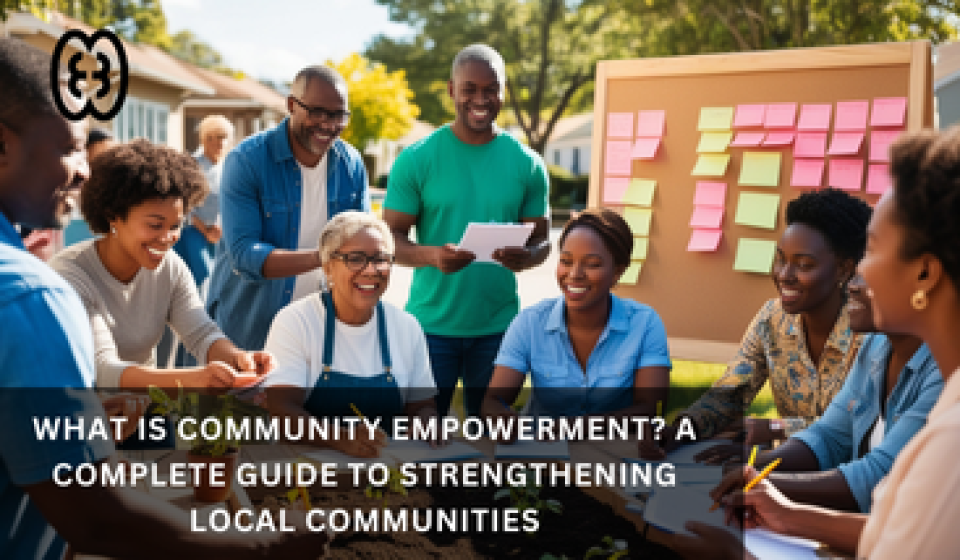
What Is Community Empowerment? A Complete Guide to Strengthening Local Communities

Community empowerment has become one of the most transformative forces in today’s world. But what is community empowerment, really?

At its heart, it’s about giving people the tools, knowledge, and confidence to actively shape the development of their own communities. It’s more than just involvement; it’s ownership, collaboration, and action.

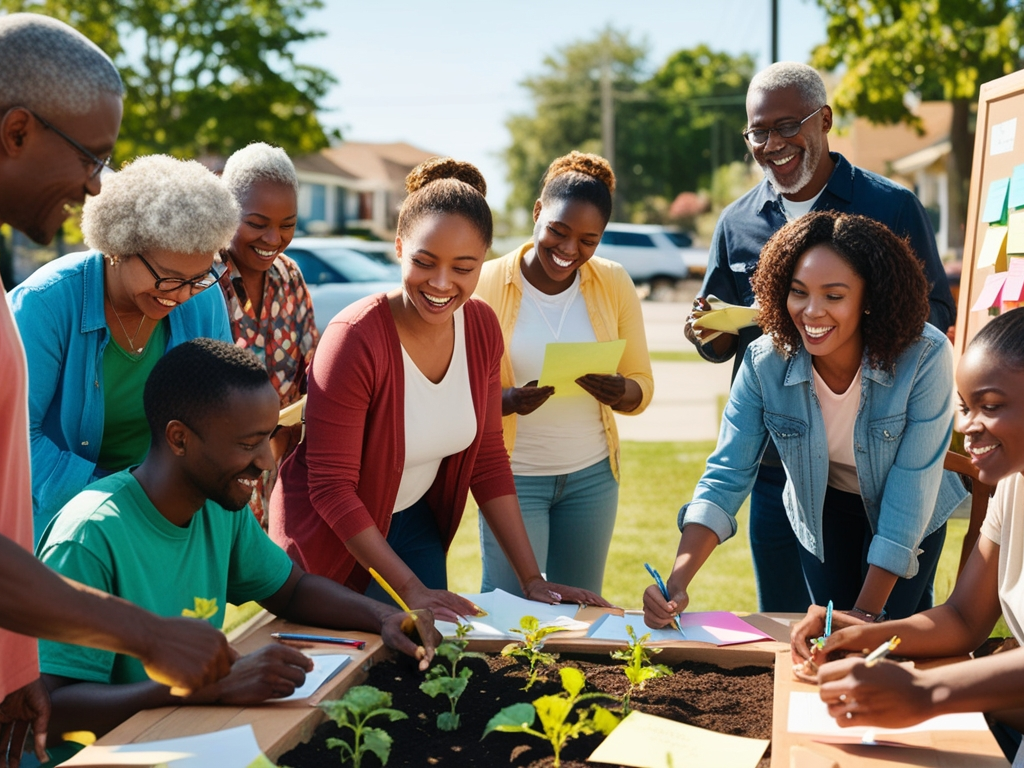
Picture a neighborhood where residents identify problems, create solutions, and support one another to thrive. This isn’t a distant dream, it’s the power of empowered communities.

Yet, understanding how to achieve this requires a closer look at the principles, strategies, and benefits behind community empowerment.

In this guide, we’ll break down what community empowerment is, why it matters, and how it can reshape local communities. By the end, you’ll see that strengthening communities isn’t just an idea—it’s a movement. Keep reading to uncover practical ways to turn empowerment into real-world impact…

What Is Community Empowerment?

What Is Community Empowerment

At its core, community empowerment is the process of enabling individuals and groups to take control of their lives and decisions that affect their community. It involves:

  • Building skills and knowledge to address local challenges
  • Encouraging active participation in decision-making
  • Creating opportunities for leadership and collaboration
  • Promoting equity and inclusion so every voice is heard

Simply put, an empowered community is one where people feel capable, confident, and responsible for shaping their collective future. It is about turning passive residents into active change-makers.

The Key Principles of Community Empowerment

Understanding what community empowerment is also means recognizing the principles that guide it. These include:

Participation

True empowerment starts when community members are not just consulted but actively involved in planning and decision-making. Participation ensures solutions are relevant and sustainable.

Capacity Building

Empowering communities requires equipping them with the skills, knowledge, and resources needed to tackle challenges independently. This includes training, mentorship, and access to information.

Inclusivity and Equity

An empowered community leaves no one behind. It values the perspectives of women, youth, marginalized groups, and minorities, ensuring everyone can contribute meaningfully.

Collaboration and Networking

Communities thrive when they work together, share resources, and connect with external organizations, government agencies, or NGOs to strengthen their initiatives.

Why Community Empowerment Matters

What Is Community Empowerment

The impact of community empowerment is profound. Here’s why it should be a priority for local development:

  • Improved Decision-Making: When residents are involved, policies and initiatives reflect the actual needs of the community.
  • Sustainable Development: Empowered communities are more likely to maintain and improve programs over time.
  • Increased Confidence and Ownership: People feel proud and responsible for their contributions.
  • Resilience: Communities can better adapt to challenges like natural disasters, economic changes, or health crises.

Without empowerment, development projects often fail because they don’t align with the real needs and priorities of the people they intend to serve.

How Community Empowerment Works in Practice

So, how does community empowerment actually happen? Here are some practical strategies:

Education and Training Programs

Providing workshops, literacy programs, vocational training, and awareness campaigns equips residents with essential knowledge and skills.

Leadership Development

Mentoring local leaders and creating opportunities for leadership ensures that change is driven from within the community, not imposed externally.

Participatory Decision-Making

Community meetings, focus groups, and local councils give people a voice in shaping policies and projects.

Resource Mobilization

Communities can access funding, tools, and support by forming cooperatives, partnerships, or advocacy groups to implement solutions.

Examples of Community Empowerment in Action

what is community empowerment

Across the world, communities are harnessing empowerment to create real change:

  • In Kenya, local women’s groups have taken charge of water projects, reducing scarcity and improving sanitation.
  • In Ghana, youth-led initiatives have launched community recycling programs, creating jobs and environmental awareness.
  • In India, residents collaborate with local governments to improve public health services through participatory planning.

These examples show that when communities are given the power to act, innovation and progress follow naturally.

Challenges to Community Empowerment

While the benefits are clear, community empowerment is not without obstacles:

  • Limited Resources: Funding, materials, and expertise may be scarce.
  • Resistance to Change: Some leaders or groups may resist shared decision-making.
  • Inequality: Social, gender, or economic disparities can hinder participation.
  • Lack of Awareness: Communities may not know their rights or how to take action.

Recognizing these challenges allows stakeholders to design solutions that ensure empowerment is inclusive and sustainable.

Conclusion

So, what is community empowerment? It is the process of giving communities the tools, confidence, and opportunities to shape their own future.

From participation and capacity building to inclusivity and collaboration, empowered communities are stronger, more resilient, and better equipped to face challenges.

When done right, community empowerment transforms neighborhoods into hubs of innovation, leadership, and collective growth. Whether it’s through education, local leadership, or collaborative projects, the impact is tangible, lasting, and inspiring.

Are you ready to be part of the movement that strengthens your community from within? Empowerment starts with knowledge, and now that you understand what community empowerment is, the next step is taking action.

Community Empowerment Projects in Ghana

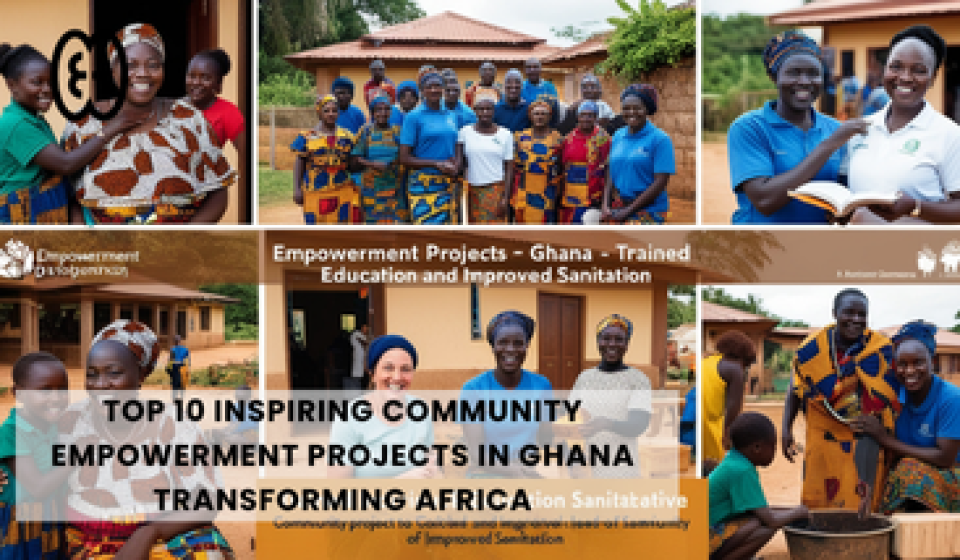
Top 10 Inspiring Community Empowerment Projects in Ghana, Transforming Africa

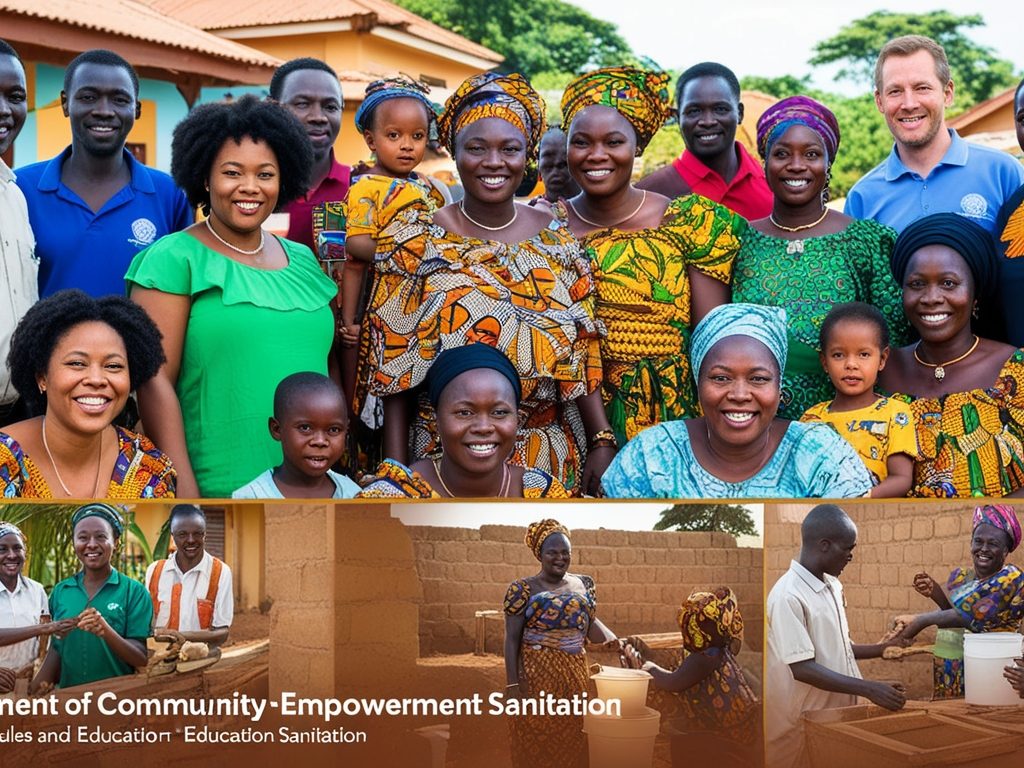
Community empowerment projects in Ghana are transforming lives and driving Africa’s social and economic progress, as communities take control of their own development through skills training, leadership, innovation, and local collaboration. 

Across the continent, and particularly in Ghana, grassroots initiatives are enabling people to create sustainable solutions in education, health, employment, enterprenuer, and environmental management. 

These locally-led efforts prove that real progress begins within communities, and many of the continent’s most inspiring successes today emerge from Ghana’s thriving community empowerment projects, setting models for broader African development.

What Makes Community Empowerment Essential for Africa’s Development?

community empowerment projects in Ghana

Community empowerment is essential for Africa’s development because it equips people with the skills, resources, and decision-making power needed to improve their own lives. 

At its core, empowerment promotes participation, capacity building, and local ownership, principles that drive sustainable growth, better health outcomes, and stronger youth development across the continent.

 Ghana continues to lead in this space, with innovative grassroots initiatives that show how empowering communities can boost economic resilience and inspire scalable solutions across Africa.

From innovative youth programs to environmental initiatives and scholarship schemes, the next sections reveal 10 standout projects in Ghana that are making a real difference read on to discover how these initiatives are shaping the future of communities across the country

Inspiring Community Empowerment Projects In Africa

community empowerment projects in Ghana

1. Generation Ghana – Job Readiness & Employment Pathways

Generation Ghana has become one of the most impactful employment programs in the country, transforming the lives of young people through practical job-readiness training, soft-skill development, and direct employer connections. 

By helping thousands of youth secure stable work in sectors like tech, hospitality, and customer service, Generation Ghana continues to prove why community empowerment projects in Ghana are setting the pace for Africa’s workforce transformation.

2. Konson Aid – Environmental Action & Girls’ Education


Konson Aid empowers communities across Ghana through environmental conservation, social equity, and education. 

Its SheRises Scholarship supports rural girls with school fees, learning materials, and mentorship, helping them stay in school and build leadership skills. 

This initiative is a standout example of community empowerment projects in Ghana driving social and educational change.

3. Street Library Ghana – Literacy & Youth Empowerment Through Reading

Street Library Ghana brings books, learning resources, and reading spaces directly to children and youth in underserved communities, via mobile vans, community book‑boxes, and school outreach. 

By improving access to education and promoting reading culture, this initiative stands out among community empowerment projects in Ghana that foster learning, self‑development, and hope for vulnerable youth.

4. Tech Needs Girls (Ghana) – Girls in STEM & Coding Excellence

Tech Needs Girls is helping close the gender gap in technology by mentoring girls in coding, STEM thinking, and digital leadership. 

Through hands-on workshops and inspirational female mentors, the program empowers girls to imagine, and build, futures in tech. Its continued growth makes it one of the standout community empowerment projects in Ghana shaping Africa’s digital landscape.

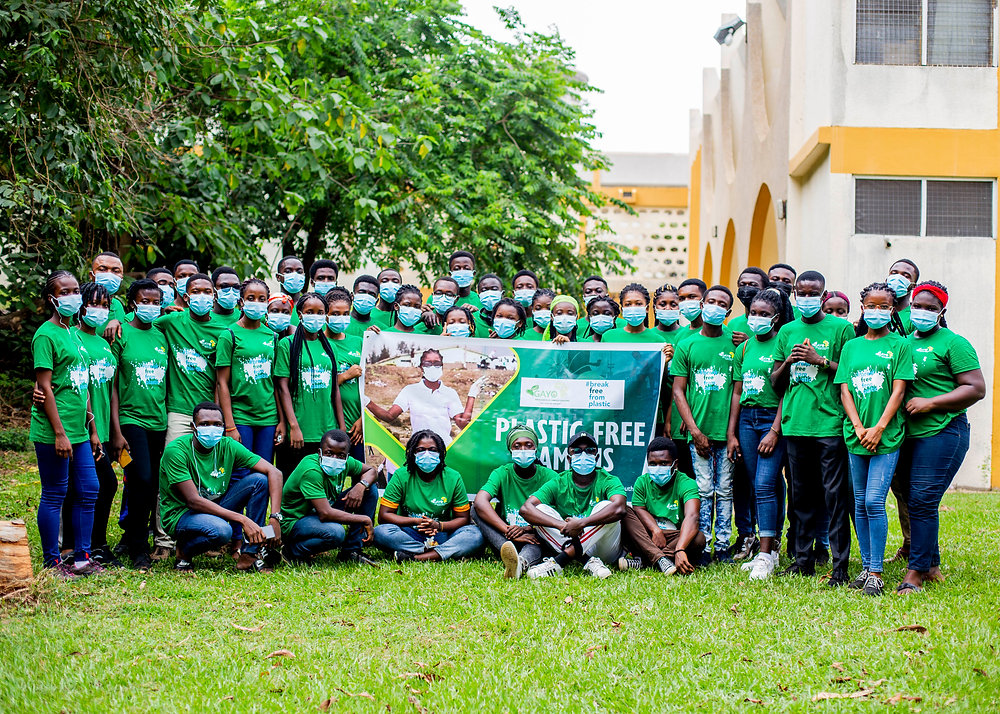
5. Green Africa Youth Organization (Ghana) – Climate Action & Eco-Innovation

ommunity empowerment projects in Ghana

Green Africa Youth Organization (GAYO) is equipping young people with the knowledge and skills to champion climate justice, circular economy solutions, and environmental resilience. 

From community cleanups to green entrepreneurship programs, GAYO shows how youth-led action can create long-term social and environmental impact, reinforcing Ghana’s leadership in sustainable empowerment.

6. Ghana Youth Environmental Movement (GYEM)

community empowerment projects in Ghana

A dynamic youth‑led network mobilizing young people across Ghana to fight for environmental justice, drive climate‑action initiatives, sanitation campaigns, and community-led waste and conservation work. 

GYEM shows how community empowerment projects in Ghana can address urgent environmental and social challenges while giving youth a voice.

7. United Way Ghana

Through its work in education, health outreach, and income‑generation support, United Way Ghana partners with communities to create lasting opportunities and improve quality of life across underserved areas. 

As a grassroots-driven organisation, it is among the most trusted community empowerment projects Ghana focused on holistic development.

8. ActionAid Ghana

With decades of experience advocating for social justice, community rights, gender equality, and youth inclusion, ActionAid Ghana empowers marginalized communities and promotes structural change. Its history and scale make it a flagship example of effective community empowerment projects Ghana.

9. GP4ALL-Ghana – Empowering Youth, Women & Communities in Northern Ghana

GP4ALLGhana is a non‑profit, non‑partisan organisation based in Northern Ghana, dedicated to empowering youth, women, and communities through agriculture, peacebuilding, education, health, and socio‑economic initiatives. 

Their programs focus on giving young people and vulnerable communities opportunities for sustainable livelihoods, skills training, and social development, a clear example of how community empowerment projects in Ghana can foster growth, inclusion, and resilience across underserved regions. 

10. ARA Ghana – Water, Sanitation & Rural Well‑being Champion

ARA Ghana works to improve access to clean water, sanitation, and hygiene in underserved and rural communities, helping ensure safe water supply, proper sanitation facilities, and hygienic waste and liquid‑waste management systems. 

By supporting basic needs and public‑health infrastructure, ARA Ghana exemplifies how community empowerment projects in Ghana can drive long‑term improvements in health, living standards, and community resilience.

The Impact of Community Empowerment Projects in Ghana and Africa

community empowerment projects in Ghana

Community empowerment projects in Ghana are not just changing individual lives—they are transforming entire communities.

 Economically, these initiatives create jobs, improve incomes, and stimulate local entrepreneurship. Socially, they foster cohesion, leadership, and civic engagement, strengthening the fabric of communities. 

In terms of health, projects focused on sanitation, nutrition, and education improve overall wellbeing and reduce preventable diseases. 

Educationally, youth-focused programs and skills training equip the next generation with knowledge and confidence to innovate and lead. 

Across Africa, these successes illustrate how targeted, locally-led empowerment drives sustainable development from the ground up.

How Ghana Is Becoming a Hub for Community Empowerment

Ghana has emerged as a leading hub for community empowerment in Africa due to the synergy between government policies, NGOs, youth-led initiatives, and a growing tech ecosystem. 

Policies promoting entrepreneurship, digital skills, and civic engagement provide the framework for success, while NGOs and community groups deliver hands-on programs that directly benefit citizens. 

Youth organizations and tech hubs further accelerate innovation, ensuring that Ghanaian communities are not only empowered but also equipped to lead Africa’s transformation.

Conclusion

Africa is experiencing a powerful shift as communities take charge of their own development, leveraging skills, leadership, and innovation to create lasting change. 

From youth employment to environmental action and women’s empowerment, these initiatives highlight the potential of grassroots efforts to transform societies. 

Among these, community empowerment projects in Ghana stand out as models of success, proving that when communities are given the tools, knowledge, and opportunities, they can drive progress that inspires the entire continent.

Scholarship for JHS Girls in rural areas

SheRises Scholarship 

Together We Rise, Together She Leads. Apply for the SheRises Scholarship by Konson Aid to support underprivileged JHS girls in Bodi Akontomra, Western North Region. Mentorship, life skills, and climate awareness included.

About the Scholarship

The SheRises Scholarship by Konson Aid is a comprehensive program supporting underprivileged JHS girls in Bodi Akontomra. By providing financial aid, mentorship, life skills training, and climate awareness programs, this initiative helps girls stay in school, improve academic performance, and develop leadership skills for the future.

Keywords: SheRises Scholarship, rural girls empowerment Ghana, Junior High School scholarships.

Why This Scholarship Matters

Scholarship for JHS Girls

Many girls in rural Ghana drop out before completing Junior High School due to:

  • Hidden school costs (books, uniforms, exam fees)
  • Menstrual hygiene challenges
  • Early marriage and teen pregnancy risks
  • Cultural expectations and limited role models
  • Climate vulnerability affecting family livelihoods

The SheRises Scholarship directly addresses these challenges, ensuring girls remain in school, succeed in BECE exams, and gain confidence to transition to Senior High School.

Who Can Apply

Eligibility Criteria:

  • Female student currently enrolled in JHS 1–3
  • Resident of Bodi Akontomra, Western North Region
  • From a low-income rural household
  • Ranked in the top 10 of her class
Scholarship for JHS Girls in Rural Areas

Required Documents:

  • Completed application form
  • Short essay: “How climate change affects my community and what can be done” (max 1,000 words)
  • Letter of reference from Headteacher or Class Teacher
  • Parent/guardian endorsement
  • Recent school report

Scholarship Benefits

The SheRises Scholarship provides:

  • Tuition, exam fees, and school levies
  • Uniforms, books, and stationery
  • Menstrual hygiene kits
  • Feeding or transportation support where needed
  • Mentorship and life skills training
  • Participation in eco-clubs and climate awareness programs

Selection Process

Applicants are selected through a rigorous, merit-based process:

  1. Academic performance review
  2. Climate-themed essay evaluation
  3. Teacher and parent endorsements
  4. Verification of financial need

Program Components

Scholarships: Full coverage of school levies, books, uniforms, hygiene kits, and transport support.

Essay-Based Selection: Applicants submit a short essay on climate change impacts in their community.

Mentorship & Life Skills: Scholars are paired with mentors, participate in confidence-building, leadership, and career guidance sessions.

Monitoring & Support: Academic performance tracked quarterly with mentor check-ins and community feedback.

Networking & Role Modelling: Scholars attend events connecting them to female leaders, professionals, and alumni.

Timeline

Phase Period Activity
Stakeholder Engagement Jan – Mar Awareness campaigns and school outreach
Applications Open Apr – May Submission of forms and essays
Review & Selection Jun Shortlisting and evaluation
Award & Disbursement Jul Announce winners, distribute scholarships
Mentorship & Support Sept onwards Life skills training, eco-clubs, mentorship
Monitoring & Evaluation Ongoing Academic tracking and community feedback

Impact & Expected Outcomes

Year 1:

  • 15 girls supported in Bodi Akontomra
  • ≥90% retention rate and improved academic performance
  • Mentorship relationships established
  • Climate-themed activities and awareness sessions
  • Greater community support for girls’ education

Long-Term:

  • Increased female educational attainment
  • Reduced dropout rates
  • More girls transitioning to SHS and tertiary education
  • Grassroots climate awareness growth

SheRises Sisterhood – Alumni & Mentorship

The SheRises Sisterhood (SRS) Network connects alumni and current scholars:

  • Peer mentorship pairing
  • Quarterly “Legacy Talks” sharing alumni journeys
  • Annual “Pay it Forward” initiatives
  • Career & Leadership Lab sessions

Alumni also act as mentors, role models, and community mobilizers, ensuring continuity of support and empowerment.

How to Apply

  1. Complete the application form
  2. Submit your climate essay
  3. Attach school report and teacher/parent endorsements

Scholarship is completely free. All applications are reviewed before the academic year begins, so winners start Term 1 as beneficiaries.

Apply Now!

Support the Program

You can help rural girls access education through:

  • Sponsoring individual scholars or eco-clubs
  • Monthly giving campaigns
  • Named scholarships for legacy support
  • Community fundraising initiatives

Become a Sponsor

Frequently Asked Questions (FAQ)

For Students:

  • Who can apply? JHS 1–3 girls in Bodi Akontomra.
  • What does it cover? Tuition, exams, uniforms, hygiene kits, mentorship, and eco-clubs.

For Parents/Guardians:

  • Any cost to apply? No, it is free.
  • Is my daughter safe? Yes, all activities follow child protection protocols.

For Teachers/Schools:

  • Role of teachers? Endorse students, provide termly updates, support club participation.

For Donors & Partners:

  • Funding source? Currently self-funded by Konson Aid; donor partnerships are ongoing.
  • Can I sponsor a girl? Yes, named sponsorship and donor collaborations are welcome.

Contact Us

  • Email: info@konsonaid.org
  • Social: Facebook | Instagram | LinkedIn

Short Story: The Truth About MUSIC VIDEO

The insects and flies, then I feel the presence of the Almighty, who formed us in his own image, and the breath A wonderful serenity has taken possession of my entire soul, like these sweet mornings of spring which I enjoy with my whole heart. I am alone, and feel the charm of existence in this spot, so absorbed in the exquisite sense of mere tranquil existence, that I neglect my talents. I should be incapable of drawing a single stroke at the present moment; and yet I feel that I never was a greater artist than now. When, while the lovely valley teems with vapour around me, and the meridian sun strikes the upper surface of the impenetrable foliage of my trees, and but a few stray gleams steal into the inner sanctuary.

The Number ONE Reason You Should Listen To MUSIC

The insects and flies, then I feel the presence of the Almighty, who formed us in his own image, and the breath A wonderful serenity has taken possession of my entire soul, like these sweet mornings of spring which I enjoy with my whole heart. I am alone, and feel the charm of existence in this spot, so absorbed in the exquisite sense of mere tranquil existence, that I neglect my talents. I should be incapable of drawing a single stroke at the present moment; and yet I feel that I never was a greater artist than now. When, while the lovely valley teems with vapour around me, and the meridian sun strikes the upper surface of the impenetrable foliage of my trees, and but a few stray gleams steal into the inner sanctuary.

Use MUSIC To Make Someone Fall In Love With You

The insects and flies, then I feel the presence of the Almighty, who formed us in his own image, and the breath A wonderful serenity has taken possession of my entire soul, like these sweet mornings of spring which I enjoy with my whole heart. I am alone, and feel the charm of existence in this spot, so absorbed in the exquisite sense of mere tranquil existence, that I neglect my talents. I should be incapable of drawing a single stroke at the present moment; and yet I feel that I never was a greater artist than now. When, while the lovely valley teems with vapour around me, and the meridian sun strikes the upper surface of the impenetrable foliage of my trees, and but a few stray gleams steal into the inner sanctuary.