

Across Africa, a quiet but powerful transformation is underway. Communities that once struggled with challenges like poverty, climate change, unemployment, and inadequate infrastructure are now rewriting their stories.
How? Through the tireless work of sustainable development organizations in Africa, the forces driving long-term change one project, one partnership, and one empowered community at a time.
But their impact goes far beyond charity. These organizations are reshaping how Africa thinks, builds, innovates, and grows.
They’re creating solutions that don’t just solve problems temporarily, they strengthen communities for generations.
If you’ve ever wondered how real change happens on the ground, or what makes these organizations so effective, this guide takes you inside the movement.
And what you’ll discover next might just redefine how you see development entirely… keep reading.
What Are Sustainable Development Organizations in Africa?
Sustainable development organizations in Africa are institutions, local or international, that focus on long-term solutions to social, economic, and environmental challenges.
Instead of offering quick fixes, they create strategies that empower people, protect resources, and support lasting progress.
These organizations often work in areas such as:
- Poverty reduction
- Education and skill development
- Climate change adaptation
- Community empowerment
- Agriculture and food security
- Water and sanitation
- Healthcare access
- Clean energy initiatives
What makes them unique is their commitment to development that continues even when they step back. They build systems that communities can rely on long after the projects end.
Why Sustainable Development Organizations Matter
They Strengthen Community Resilience
By providing training, tools, and resources, these organizations help communities stand strong during economic, social, or environmental shocks. Instead of dependence, they build resilience.
They Promote Innovation and Local Solutions
From solar energy hubs in rural villages to tech-based agricultural systems, sustainable development initiatives encourage innovation tailored to Africa’s needs.
They Protect the Environment
Many organizations champion climate-smart farming, reforestation, waste management, and biodiversity conservation—essential steps to safeguarding Africa’s future.
They Drive Economic Growth
Through entrepreneurship programs, vocational training, and youth empowerment, they create jobs and stimulate local economies.
They Create Opportunities for Future Generations
Long-term development ensures that children and youth grow up in societies with better health, education, and livelihood opportunities.
Key Areas Where Sustainable Development Organizations in Africa Are Making an Impact
1. Climate Action and Environmental Protection
Climate change hits Africa harder than most regions. Organisations like the African Wildlife Foundation and local climate action groups are restoring forests, protecting water bodies, and promoting clean energy.
And the results are remarkable, healthier ecosystems, reduced emissions, and sustainable livelihoods.
2. Agriculture and Food Security
With agriculture employing millions, organizations are introducing:
- Climate-smart farming
- Irrigation solutions
- Post-harvest technologies
- Access to markets and financing
This helps farmers grow more food, earn more income, and feed their communities sustainably.
3. Education and Youth Empowerment
Organizations invest in:
- STEM programs
- Girls’ education
- Digital skills
- Leadership training
This builds a strong, future-ready generation that can lead Africa into a new era of development.
4. Health and Community Well-Being
From maternal healthcare to mental health support, sustainable development organizations work to reduce disease burden and improve access to essential services.
5. Clean Energy and Technology Innovation
Solar mini-grids, clean cookstoves, and renewable energy centers are lighting up villages and reducing reliance on fossil fuels.
Tech-driven solutions are creating digital opportunities that didn’t exist a decade ago.
Examples of Leading Sustainable Development Organizations in Africa
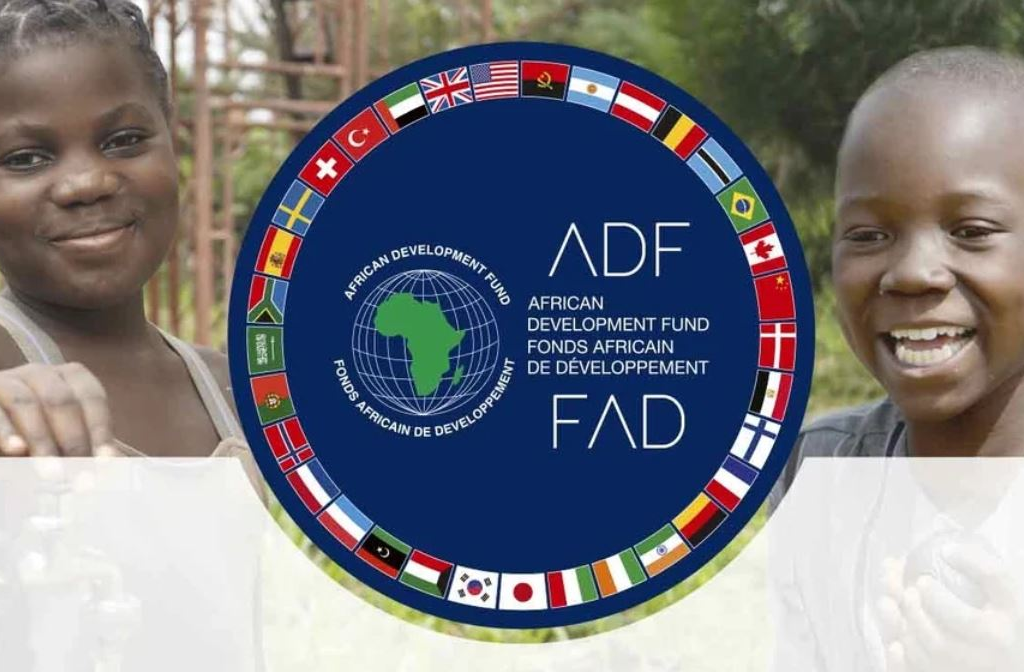
African Development Foundation (ADF)
Funds grassroots enterprises and community projects that promote economic growth.
Green Africa Youth Organization (GAYO)
A youth-led organization focused on climate action, waste management, and circular economy solutions.
WaterAid Africa
Improves access to clean water, sanitation, and hygiene, fundamental for sustainable development.
African Wildlife Foundation (AWF)
Protects wildlife and habitats while improving communities’ livelihoods.
Local Community NGOs
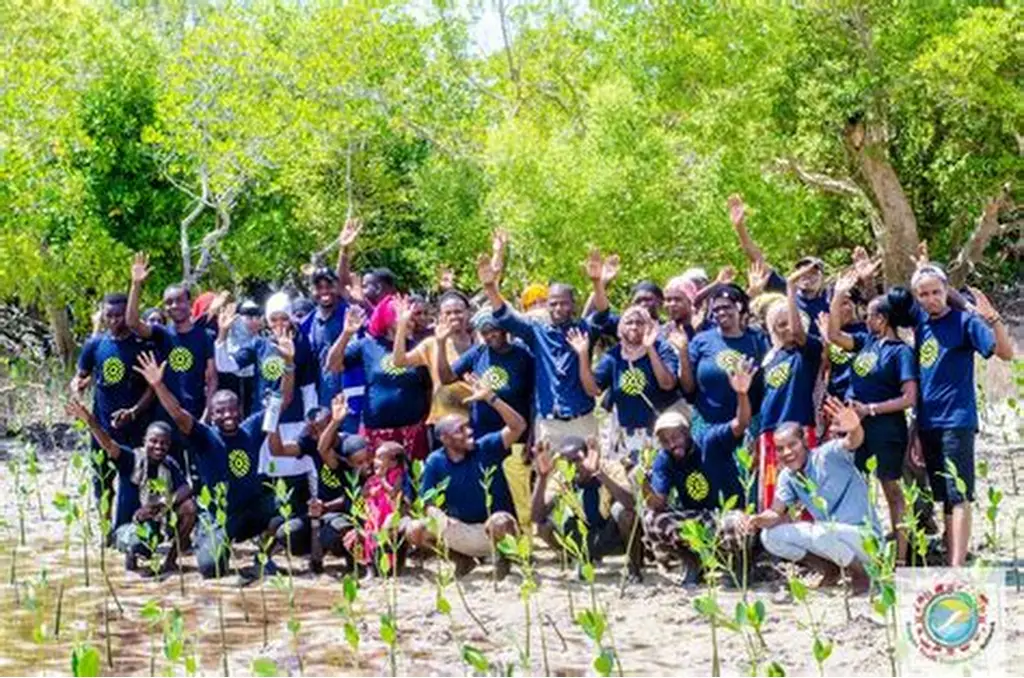
Across every country, local NGOs are doing the hard work on the ground. They understand the culture, challenges, and opportunities better than anyone.
Each of these organizations plays a role in shaping Africa’s sustainable future—but this is only the beginning.
How Sustainable Development Organizations Build Long-Term Impact
Community-Centered Approaches
Instead of imposing solutions, they involve communities in decision-making, ensuring solutions are effective and accepted.
Capacity Building
Training programs equip people with skills to run businesses, conserve the environment, and solve problems independently.
Partnerships and Collaboration
Governments, NGOs, companies, and community groups work together to achieve lasting change.
Evidence-Based Planning
Organizations use data, research, and monitoring systems to measure impact, and improve constantly.
The Future: What’s Next for Africa’s Sustainable Development?
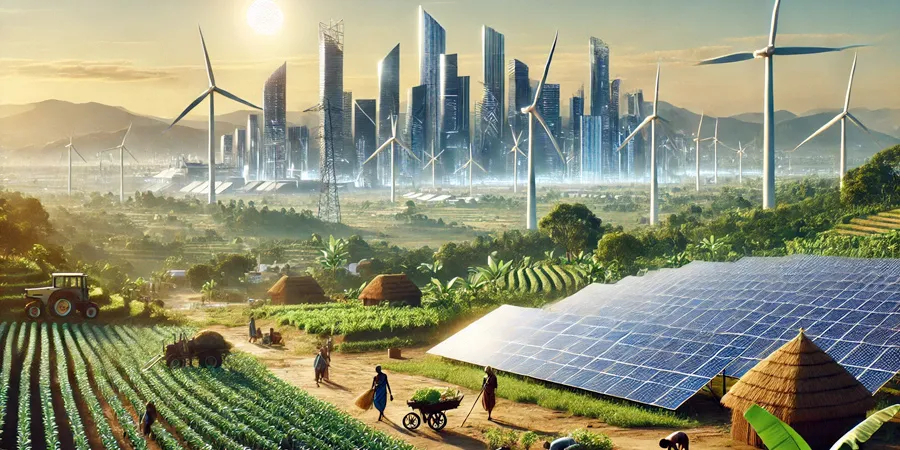
Africa’s future is filled with possibility. Technology is advancing. Young people are rising. Communities are becoming more aware and more resilient.
And as long as sustainable development organizations in Africa continue to innovate, collaborate, and empower, the continent’s transformation will accelerate, faster than the world expects.
What comes next?
1. Greener cities.
2. Smarter agriculture.
3. Stronger institutions.
4. Empowered communities.
The future looks bright, and the work happening today is building the foundation for tomorrow.
Conclusion
Sustainable development organizations in Africa are not just solving problems, they are shaping a stronger, greener, and more empowered future for the continent.
Their work touches every area of life: education, health, environment, economy, and community leadership.
Understanding their role gives us hope. Supporting their efforts creates impact. And learning from their strategies helps communities everywhere take their future into their own hands.
Africa is rising, and sustainable development is the engine behind its growth.